
Brain Injury
Traumatic brain injury is a leading cause of long-term neurological and psychiatric morbidity across the lifespan, yet the biological mechanisms that determine individual outcomes remain poorly understood. Our research investigates how mild traumatic brain injury alters brain structure, function, and neurochemistry — and why some individuals recover fully while others develop persistent symptoms or long-term sequelae.

Repetitive Head Impacts
Repetitive head impacts — blows to the head that do not lead to symptoms that do not meet criteria for concussion — are now recognized as an independent risk factor for neurodegeneration. Our research established that exposure to repetitive head impacts can change brain microstructure in the absence of clinically apparent injury, a finding that has reshaped how risk is conceptualized in contact sports and youth athletics and contributed to policy changes in sports.

Brain Resilience
Not everyone exposed to brain injury develops long-term consequences. Some individuals recover fully, others remain symptomatic for years, and a subset progresses toward neurodegeneration decades later. The biological basis of this divergence — why some brains are resilient and others are not — is one of the most important open questions in the field, and the central focus of this research program.
Methods & Platforms
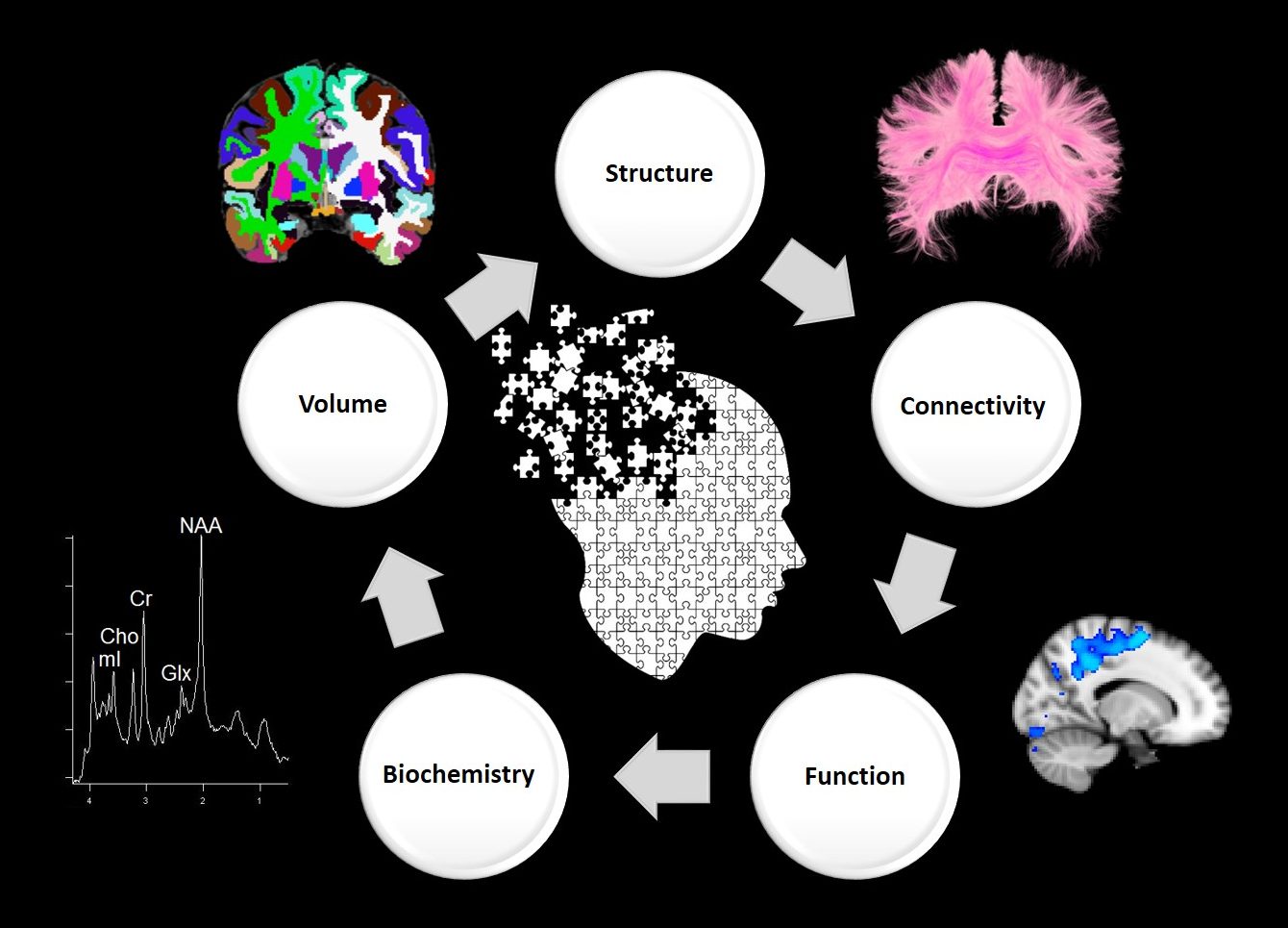
cBRAIN operates as an integrated translational research platform. Our methods are organized to move questions across the bench-to-bedside pipeline — from in-vivo phenotyping in humans, to mechanistic investigation in animal models, to intervention and target engagement. Each platform contributes a distinct but complementary capability, and the scientific power of the lab lies in their integration.